




The aim of the ISM Negotiation and Influence module is to develop managers’ ability to professionally prepare for internal and external negotiations, systematically align strategy and tactics, apply principles of argumentation and influence, and create sustainable agreements in complex management situations.
The module is based on a range of empirically grounded negotiation and influence models that reflect global best practices. Key approaches include, but are not limited to, the Harvard Principled Negotiation model, the 3-D Negotiation model and Cialdini’s principles of social influence. The course also explores a broader range of contemporary negotiation models and the conditions for their application, as well as their differences, strengths and limitations.
As part of the module, negotiations are analysed at three interconnected levels: the structural level, which examines the broader negotiation system, including the parties and their interdependence, power dynamics, alternatives and negotiation architecture; the strategic level, which encompasses understanding interests, managing the direction of negotiations, creating value and grasping the logic of reaching agreement; and the tactical level, which is related to behaviour, choices and actions during the negotiation process.
You will understand the key contemporary models of strategic negotiation and be able to critically assess how they are applied, analyse interests, alternatives, power dynamics and negotiation architecture. You will learn to align strategy and tactics systematically across different stages of negotiation, apply the principles of argumentation and influence, create value and structure sustainable agreements. You will be able to recognise manipulative tactics and respond to them professionally. You will also strengthen your ability to lead complex, multi-party and cross-cultural negotiations.
Negotiation foundations and self-knowledge:
Negotiation mechanics:
The human and ethical dimension of negotiation:
Complex negotiation contexts:




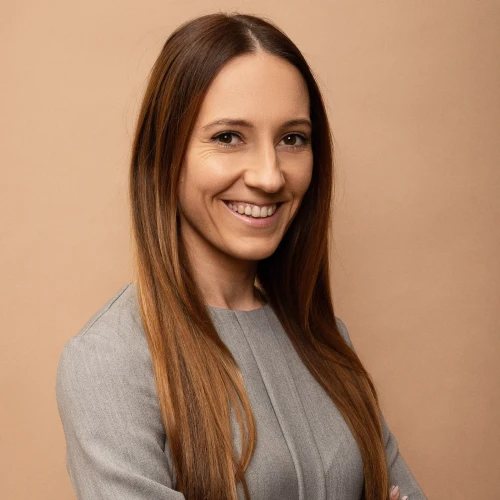
• Negotiation and Influence module leader.
• Holds a master’s degree in Business Psychology and has more than 20 years of experience analysing organisational processes and the factors that underpin their effectiveness.
• B2B and B2C sales team and manager trainer and organisational consultant, working with some of the best-known and largest teams in Lithuania’s financial services, telecommunications, IT, pharmaceutical and manufacturing sectors.
• In her professional activities, she specialises in the psychology of negotiation and sales, influence, negotiation process management and effective agreements.
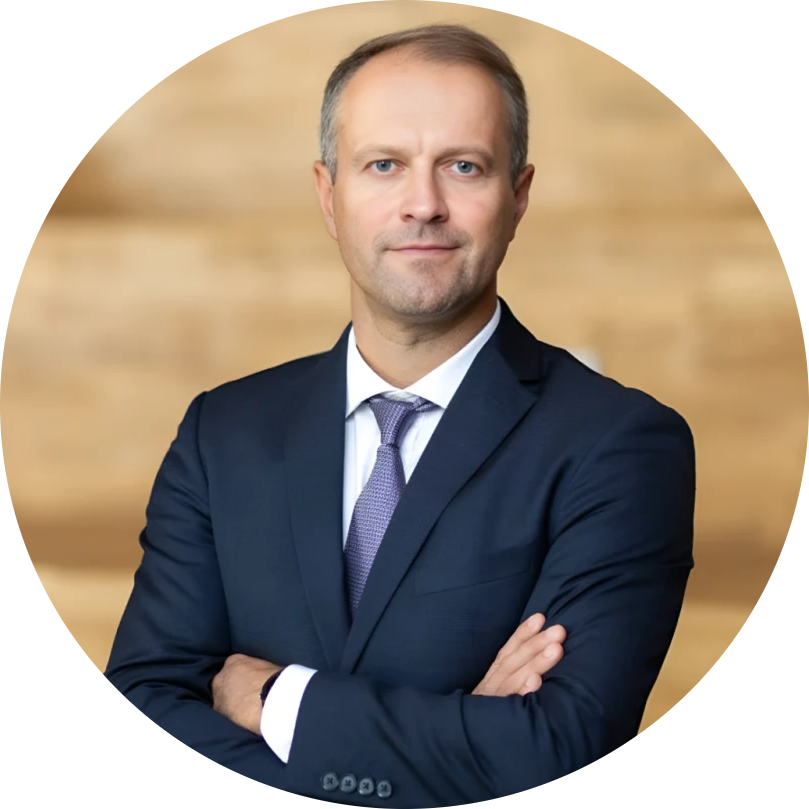
• Rector, ISM University of Management and Economics.
• PhD in Electrical and Electronic Engineering (Lund University, Sweden).
• Over 10 years of professional experience in various business organisations, including SWECO, Ernst & Young, Lietuvos Energija and Maxima Group.
• Independent board member and chair at AUGA Group, member of the Swedbank Supervisory Council, and board member at Gren, a Northern European green energy company.

• Negotiation consultant, trainer and team coach with more than 25 years of experience in negotiation training and organisational development.
• His professional focus is on emotional competence in negotiations, leadership, teams and relationships with clients.
• Co-founder of the INWIN Negotiation Institute and an EMCC-accredited systemic team coaching specialist. · Completed negotiation and conflict resolution programmes at the Harvard Law School Program on Negotiation (PON).
• Over the course of his career, he has designed over 100 development programmes for more than 1,200 organisations across Europe, Central Asia and China.
• His professional focus is the psychology of negotiation: how emotions, perception, power and hidden interests shape negotiation outcomes.

• Associate professor at ISM University of Management and Economics and head of the ISM Global Leadership and Strategy Master’s Programme.
• Having started out in international business and the IT industry, she subsequently moved into academia and has spent the past 10 years working at prominent universities in England and Australia.
• FA researcher in the field of leadership whose work is published in leading academic journals and presented at prestigious conferences and events in the United States, Australia, Portugal, England and elsewhere.
• Founder of the research organisation The Hubris Hub.
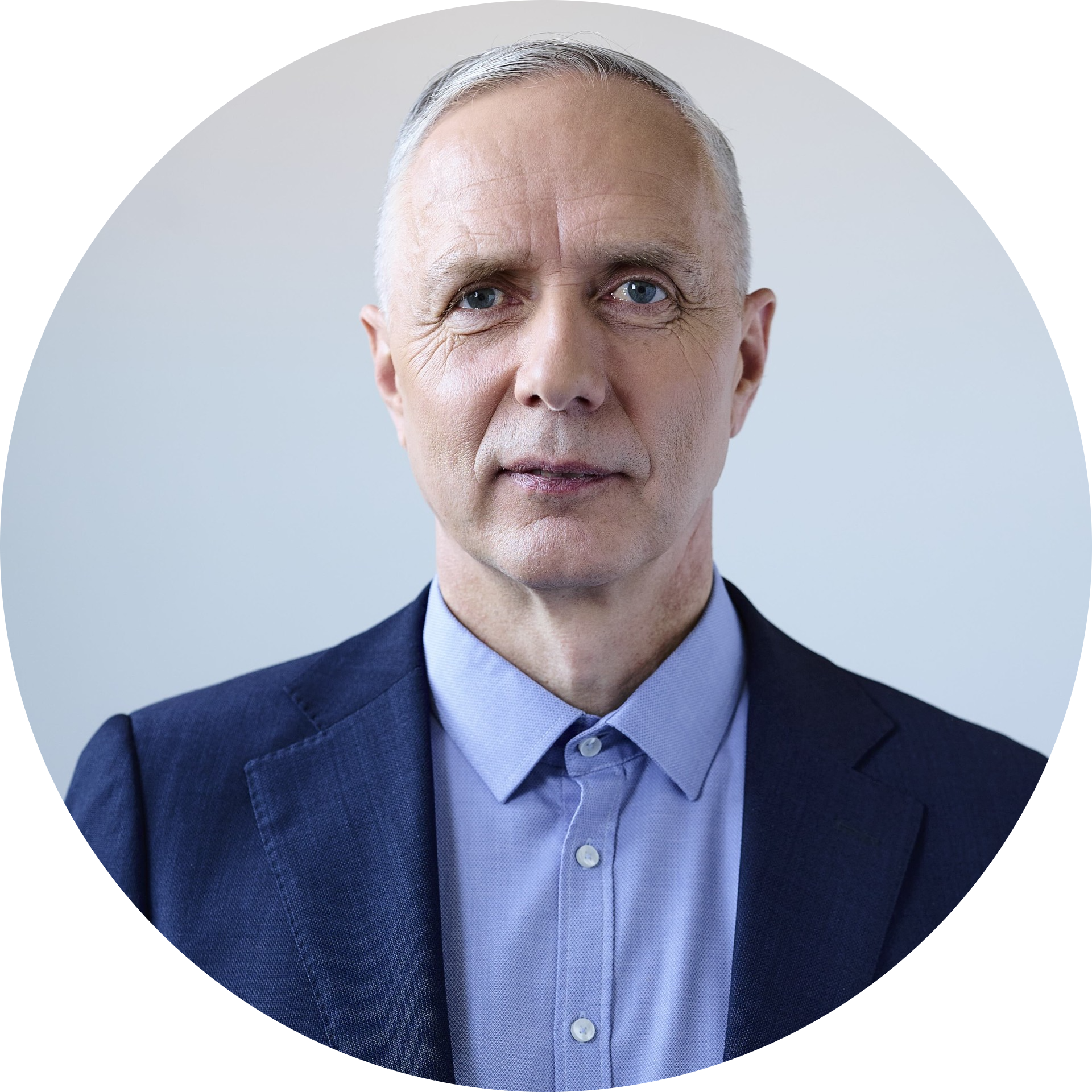
• Former Lithuanian diplomat with more than 30 years of experience as a negotiation and strategic communication practitioner and lecturer.
• Consultant to organisational leaders, public-sector institutions and business teams, and a trainer working with senior executives in Lithuania and abroad. · In his professional activities, he specialises in strategic negotiations, conflict management, strategic communication and crisis communication.
• Director of Agency 1323, a Vilnius-based communication agency. · Associate professor of practice at Vilnius University.
• Has more than 25 years of experience in corporate communications, public affairs and diplomacy. · Has worked on communication strategies for Philip Morris International, SEB Arena, Tieto, the National Audit Office of Lithuania, Huawei, Lexus, Lietuvos Draudimas and other Lithuanian and international companies.
• Vilniaus universiteto praktikos docentas.
• Teaches corporate communications management at Vilnius University and international negotiations at ISM University of Management and Economics.
• Dirbęs su „Phillip Morris International“, SEB Arena, „Tieto“, Valstybės kontrolės, „Huawei“, „Lexus“, „Lietuvos Draudimas“ ir kitų Lietuvos ir tarptautinių kompanijų komunikacijos strategijomis.
• Co-founder of several international start-ups, including IQ Polls and RottenWifi.

• Chief Operating Officer at SAME Solutions, with more than 20 years of experience in leadership, crisis management and organisational performance in high-risk environments.
• A former British Army Captain, he graduated from the Royal Military Academy Sandhurst and led operations in Northern Ireland and Iraq; he later served as a military adviser to the Government of the United Arab Emirates in Dubai and Abu Dhabi.
• Has advised international organisations and major companies – including the International Olympic Committee, AXA Group and international companies in the Middle East, Africa and South America – on strategic risk, crisis management and executive development.
• Holds a bachelor’s degree in Politics and International Relations from the London School of Economics and a master’s degree in International Security Studies from the University of Leicester. His teaching and professional interests include leadership, decision-making in complex circumstances and organisational preparedness for crises.
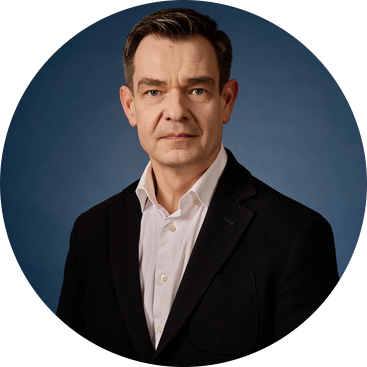
• Sales management, negotiation and effective leadership practitioner, with 30 years of experience researching organisational effectiveness.
• Negotiation and professional sales consultant and trainer, working with Lithuanian companies that expect maximum results from training and consultancy.
• Specialises in strategic and commercial negotiations, work with key clients, sales system development and sales team growth.
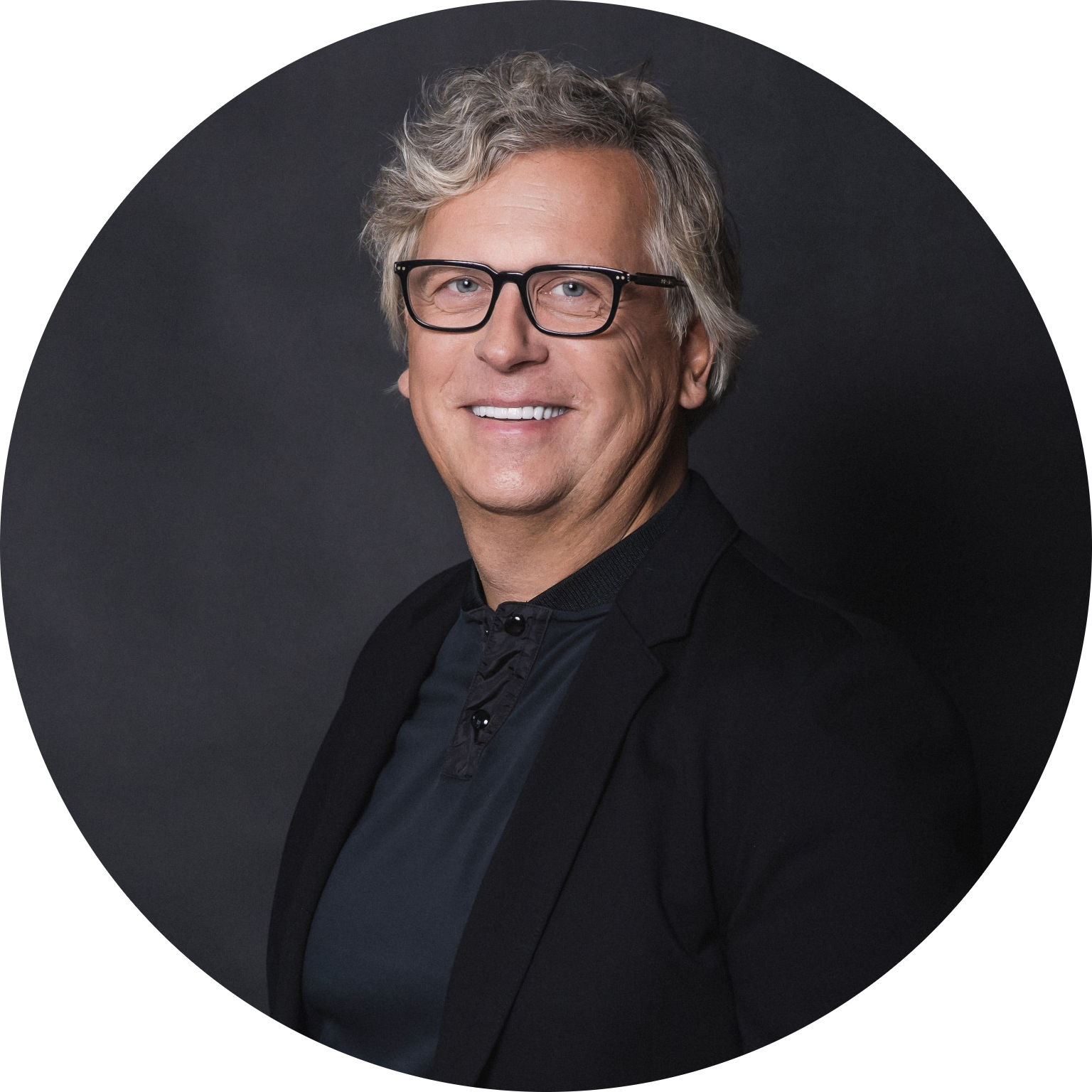
• Negotiation and sales strategist, trainer and practitioner, with a strong expert focus on international negotiations, business growth and export development in intercultural environments.
• Has held management and sales positions in Lithuania, Estonia, Latvia, the Middle East and North America.
• Founder of the business consulting company Pardavimų pajėgos.
• Author of the books 500 Days with a Saudi Arabian Prince and Give Us Clarity.


Gedimino pr. 7, Vilnius, LT-01103, Lietuva
Phone +370 687 08080
Email: ism@ism.lt